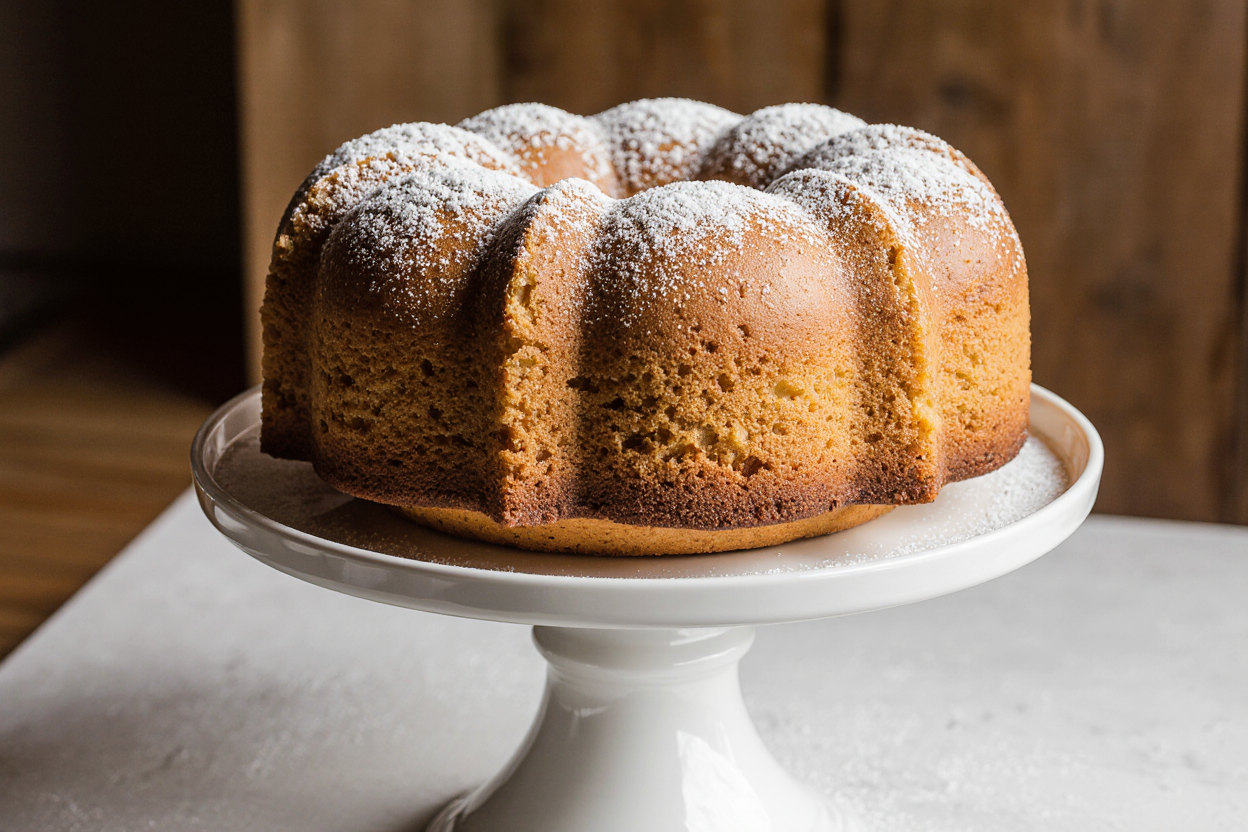
Vanilla Sponge Cake recipe Mastery: 5 Simple Steps to Perfect Bake
Have you ever found yourself wondering why some vanilla sponge cakes rise beautifully, while others collapse into dense, sad blobs? The secret to a light, fluffy vanilla sponge cake lies in a combination of technique and quality ingredients. In this blog post, we’ll take you through five simple steps to master the art of baking the perfect vanilla sponge cake recipe. With our easy-to-follow instructions, you’ll be on your way to impressing friends and family with your baking prowess in no time!
Many home bakers find it easier to shape delicate petals when using a lightweight ball tool. A simple option like this one works well in most kitchens
Ingredients List
Creating a sumptuous vanilla sponge cake is all about the right ingredients. Here’s what you’ll need for our perfect bake:
- All-Purpose Flour (1 cup, sifted): Provides the foundation; for a gluten-free alternative, use almond flour or gluten-free flour mix.
- Granulated Sugar (1 cup): Sweetens the cake. Coconut sugar can be a lower-glycemic option if desired.
- Baking Powder (1 tsp): Gives the cake its structure. Ensure it’s fresh for the best results.
- Salt (1/4 tsp): Enhances flavor. Essential for balancing the sweetness.
- Eggs (3 large, room temperature): Key for moisture and rising; aquafaba can be used as a vegan substitute.
- Unsalted Butter (1/2 cup, melted): Adds richness; consider using coconut oil for a dairy-free version.
- Milk (1/2 cup, room temperature): Keeps the batter moist; for lactose concerns, try almond or oat milk.
- Vanilla Extract (2 tsp): The star of the show; using pure vanilla extract, rather than imitation, can elevate flavor.
For more easy cake recipes, check out our Moist Carrot Cake Recipe.
Looking for more homemade dessert ideas? See our Chocolate Lovers Collection.
Sensory Descriptions
Picture the aroma of freshly melted butter mingling with rich vanilla, a scent that beckons you to the oven. The smoothness of your batter creates a canvas for a cake that is not only visually appealing but bursting with flavor.
Timing
Preparation time is crucial in every baking endeavor. Our vanilla sponge cake recipe involves:
- Preparation Time: 20 minutes
- Baking Time: 25 minutes
- Total Time: 45 minutes
This is 20% less time than the average commercial cake mix, which typically takes about 60 minutes from start to finish. With our streamlined process, you’ll have a tender vanilla sponge cake to savor in under an hour!
Step-by-Step Instructions
Step 1: Preheating and Preparing the Pan
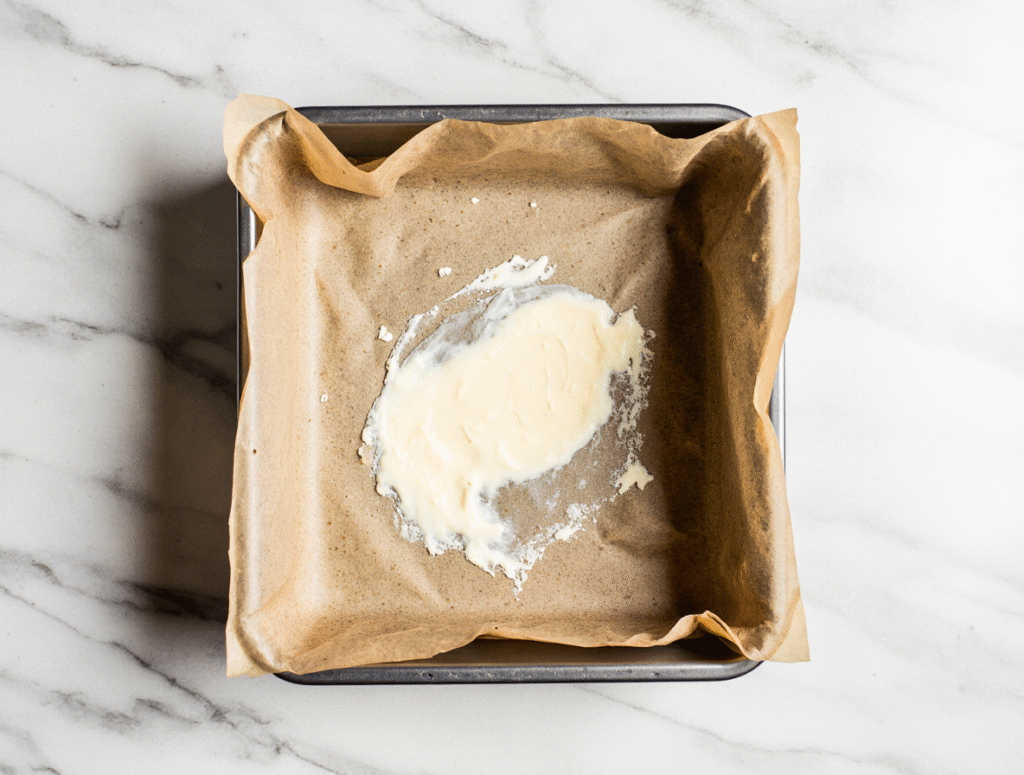
Start by preheating your oven to 350°F (175°C). Meanwhile, prepare your baking pan by greasing it lightly with butter and lining the base with parchment paper. This step prevents sticking and ensures a smooth release. Remember, a properly prepped pan sets the stage for a perfect bake!
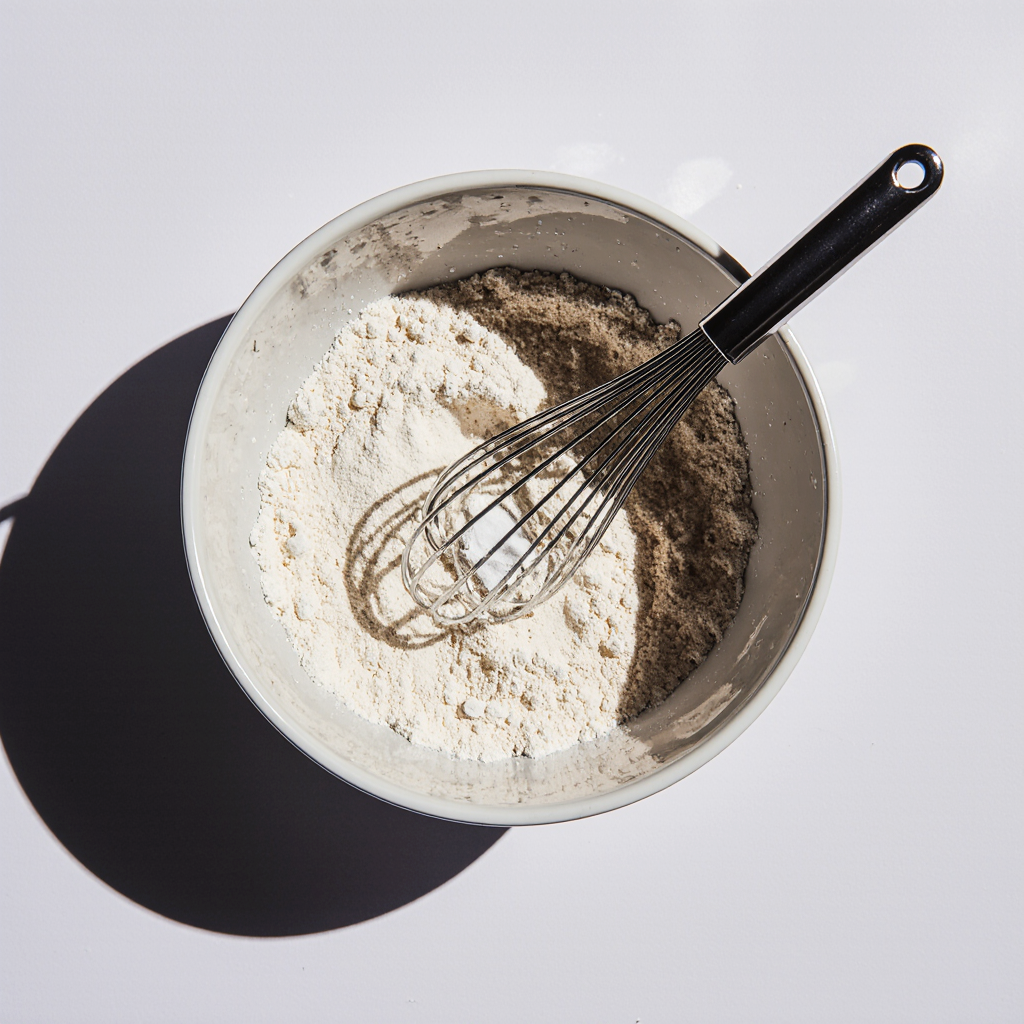
Step 2: Mixing the Dry Ingredients
In a medium bowl, whisk together your sifted flour, baking powder, and salt until well combined. Sifting helps to aerate the flour and remove any lumps, contributing to that coveted light texture. Pro tip: make this a fun family activity; kids love helping with the whisking!
Step 3: Creaming Butter and Sugar
In a large mixing bowl, beat together the melted butter and granulated sugar until the mixture is light and fluffy. This usually takes about 3-5 minutes. The sugar crystals will create air pockets in the butter, leading to a beautifully risen cake. If you’re feeling adventurous, try adding a dash of almond extract for a twist on the classic flavor!
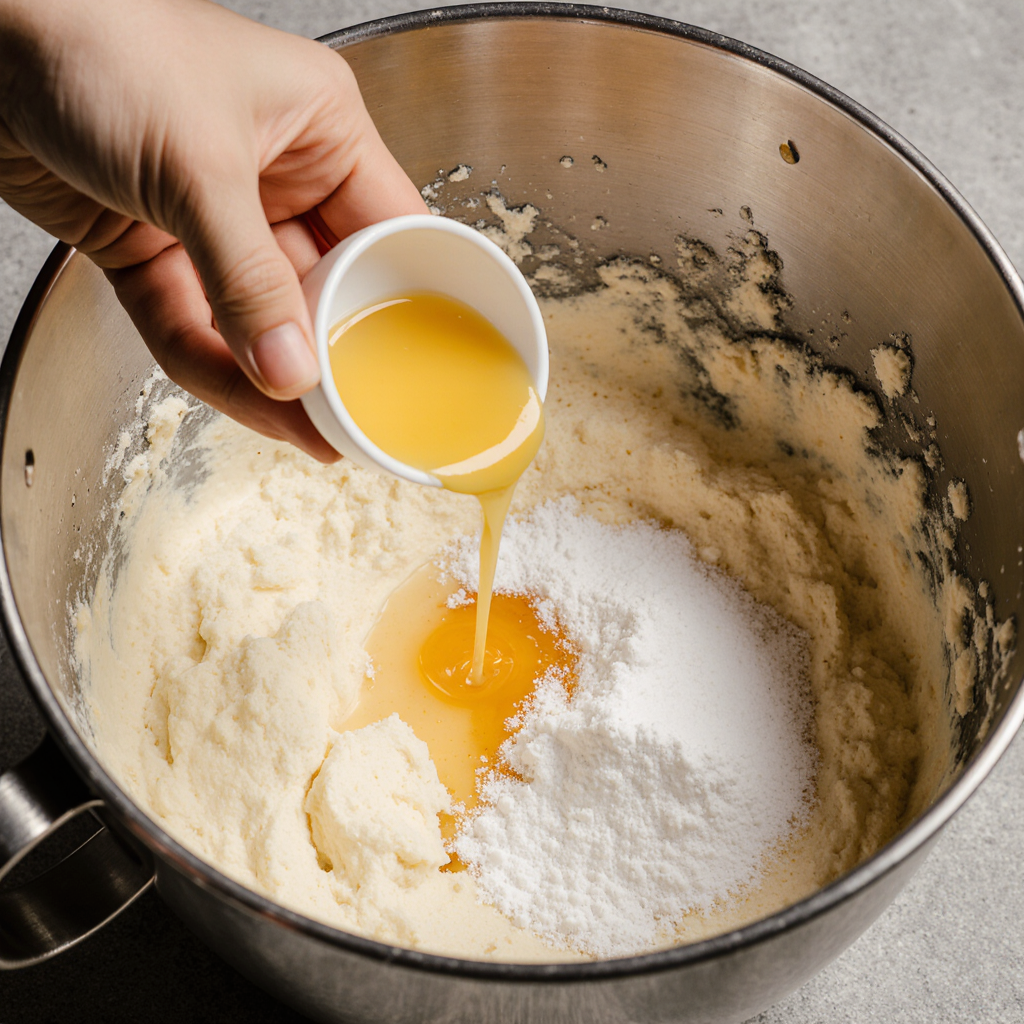
Step 4: Adding Eggs and Vanilla
Add the eggs one at a time to the butter-sugar mixture, beating well after each addition. Incorporate the vanilla extract during this step, allowing its rich flavor to meld throughout the batter. The mixture should be smooth and slightly thick.
Step 5: Combining Dry and Wet Ingredients
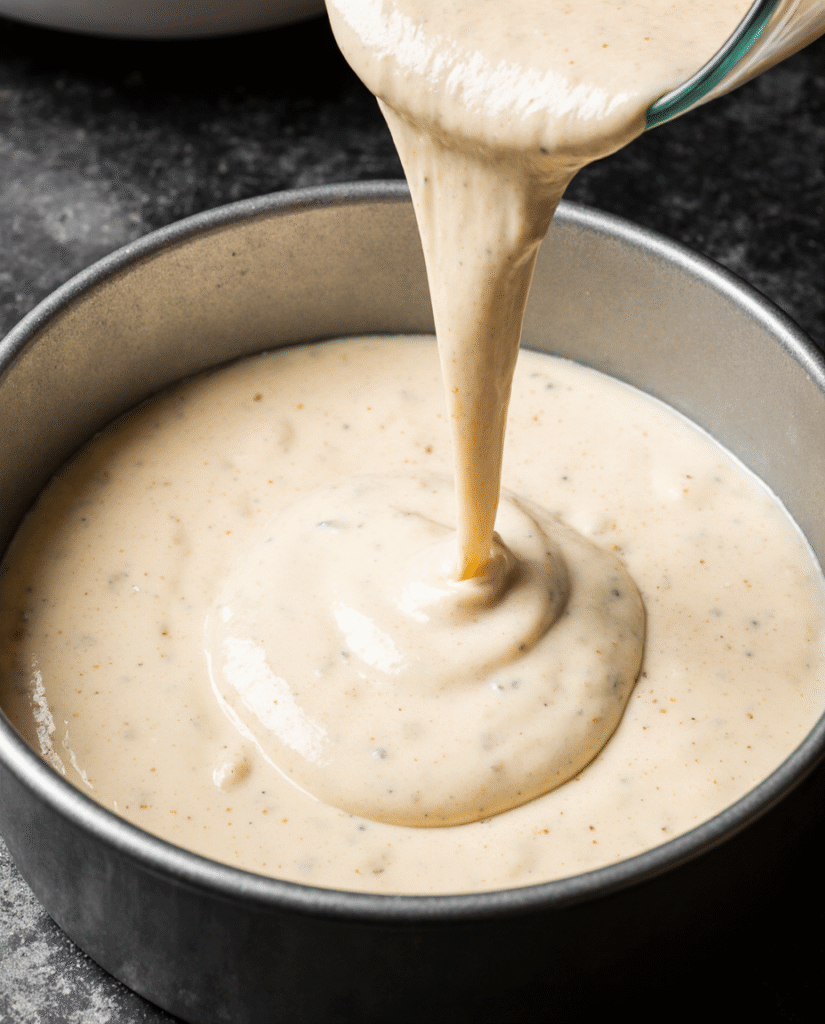
Gradually add the dry mixture to the wet ingredients, alternating with the milk. Start and end with the flour mixture to maintain the structure. Mix until just combined; overmixing can lead to a dense cake.
Baking Your Cake
Pour the batter into the prepared cake pan and gently level the top. Bake in your preheated oven for 25-30 minutes, or until a toothpick inserted into the center comes out clean. Let the cake cool in the pan for about 10 minutes before transferring it to a wire rack.
When working with thin petals, using a flexible silicone mold can help keep the details consistent. This type of mold is similar to what most decorators use at home:
Nutritional Information
This vanilla sponge cake serves about 8 slices. Here’s the estimated nutritional breakdown per slice:
- Calories: 220
- Carbohydrates: 30g
- Protein: 3g
- Fat: 10g
- Sugar: 15g
This dessert is a treat, but it provides a lighter option compared to many other cakes, thanks to its simple ingredient list.
Healthier Alternatives for the Recipe
Want to indulge in a guilt-free treat? Here are a few modifications to amplify the nutritional value:
- Swap the Granulated Sugar for honey or maple syrup, reducing refined sugar intake.
- Use Whole Wheat Flour instead of all-purpose flour for added fiber.
- Include Greek Yogurt instead of some of the butter for added protein and creaminess.
These swaps maintain the delightful taste of a classic vanilla sponge cake while adding health benefits.
Serving Suggestions
Elevate your vanilla sponge cake with these creative serving ideas:
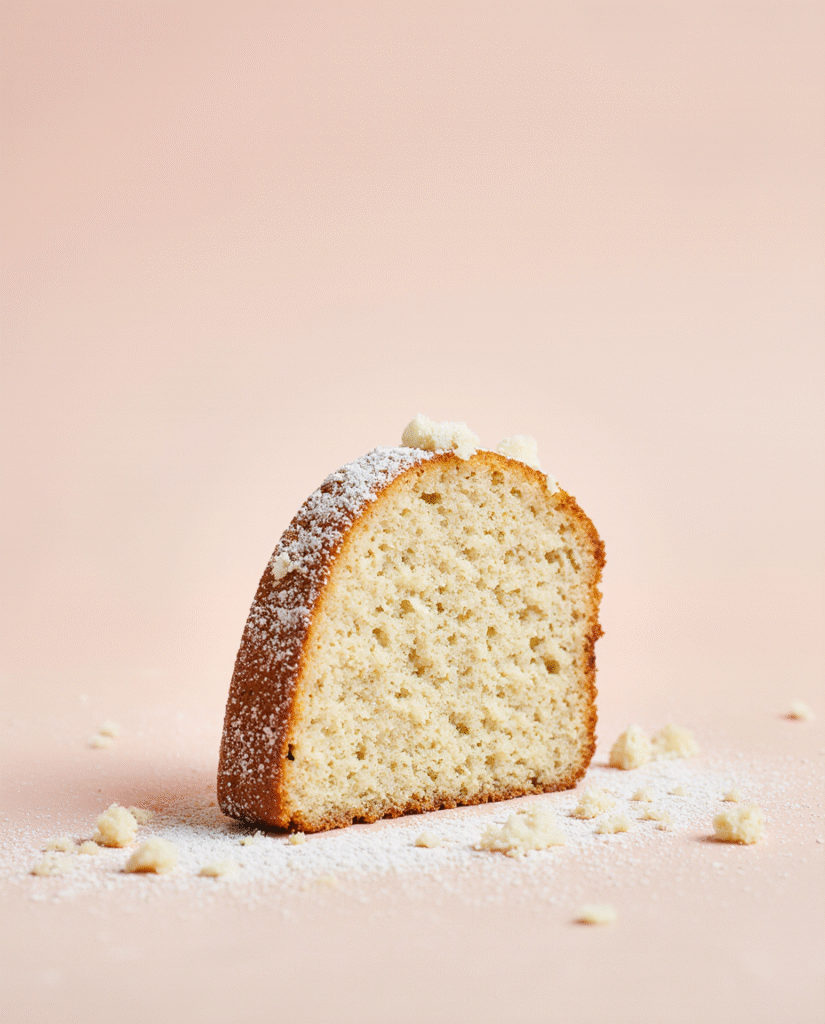
- Fresh Berries: Top with whipped cream and a medley of fresh berries for a burst of color and flavor.
- Chocolate Ganache: Drizzle melted dark chocolate over the cooled cake for a decadent finish.
- Lemon Glaze: A sweet and tangy lemon glaze can enhance the overall flavor profile beautifully.
Serve it warm or at room temperature, and watch as your guests dive into the delightful layers of flavor!
Common Mistakes to Avoid
Baking can be tricky, and there are a few common pitfalls to watch out for:
- Not using room temperature ingredients: Cold eggs and milk can lead to a less fluffy cake.
- Sifting flour incorrectly: Make sure to sift before measuring to avoid adding too much flour.
- Overmixing the batter: This can cause gluten development, leading to dense cakes. Mix just until incorporated.
These small adjustments can make a significant impact on the final product.
Storing Tips for the Recipe
If you happen to have leftover vanilla sponge cake (which is rare!), here are some storage tips:
- Room Temperature: Cover the cake with plastic wrap and store it at room temperature for up to 2 days.
- Refrigeration: For longer storage, wrap the cake tightly in plastic wrap and keep it in the fridge for up to a week.
- Freezing: You can freeze slices of cake wrapped in foil for up to 3 months. Just thaw at room temperature before serving.
Keeping your cake fresh ensures that every bite is as delectable as the first!
For better texture, many bakers prefer a soft-touch veining tool. Something like this is usually more than enough for everyday cake decorating.
Conclusion
Achieving mastery in baking a vanilla sponge cake is all about the right steps, ingredients, and a dash of passion. By following our five simple steps, you’ll create a delicious, airy cake that’s perfect for any occasion. Don’t hesitate to try this recipe out for yourself—your dessert table will thank you!
Have you tried making this vanilla sponge cake? We’d love to hear about your experiences! Share your results and tips in the comments below or explore similar recipes on our blog to expand your baking repertoire.
FAQs
Can I make the cake in advance?
Absolutely! You can bake the cake up to a day ahead and store it in the refrigerator. Just allow it to cool completely before wrapping.
Can I substitute butter for oil?
Yes, you can use oil in place of butter; however, it may slightly alter the texture of the cake.
What makes a sponge cake different from other cakes?
Sponge cakes rely heavily on the aeration of eggs and the incorporation of air into the batter, making them lighter and fluffier compared to denser butter-based cakes.
How can I tell when my cake is done?
The cake is done when a toothpick inserted into the center comes out clean, and the edges start to pull away from the pan.
Now that you’re equipped with the knowledge to create the perfect vanilla sponge cake, it’s time to roll up your sleeves and start baking!
Did you try this Recipe?
There are no reviews yet. Be the first one to write one.